
US Senate
A US Senator must be 30 years old; have
been a US citizen for at least 9 years; and
have been an resident of the state for which
they are chosen. Senators are elected to
6-year terms.

ROY COOPER
UNRESPONSIVE
DemocratDARYL FARROW
UNRESPONSIVE
Democrat
DemocratMARCUS WILLIAMS
UNRESPONSIVE
DemocratORRICK QUICK
UNRESPONSIVE

JUSTIN DUES
My background is a mix of public service, leadership under pressure, and real-world economics. I was a Marine Corps infantry squad leader (2003–2012), an OIF/OEF veteran, and I’ve spent my civilian career working across a mix of small business, large corporate environments, and the startup ecosystem after earning my MBA at UNC Charlotte. I’m a father of four working two full-time jobs, so “affordability” isn’t a slogan to me; it’s my lived experience and a crisis of our generation. Openly committed to standing up to forever wars, proxy wars, and waste hidden behind “supporting the troops.” Unbuyable, anti-corruption, and specific. I have pledged not to take corporate or PAC money, and I’m running on a detailed policy roadmap (“Project 2030, ACT”) that centers affordability and anti-corruption reforms like overturning Citizens United, banning gerrymandering and corporate lobbying, and adding term limits to Congress and the Supreme Court.
Democrat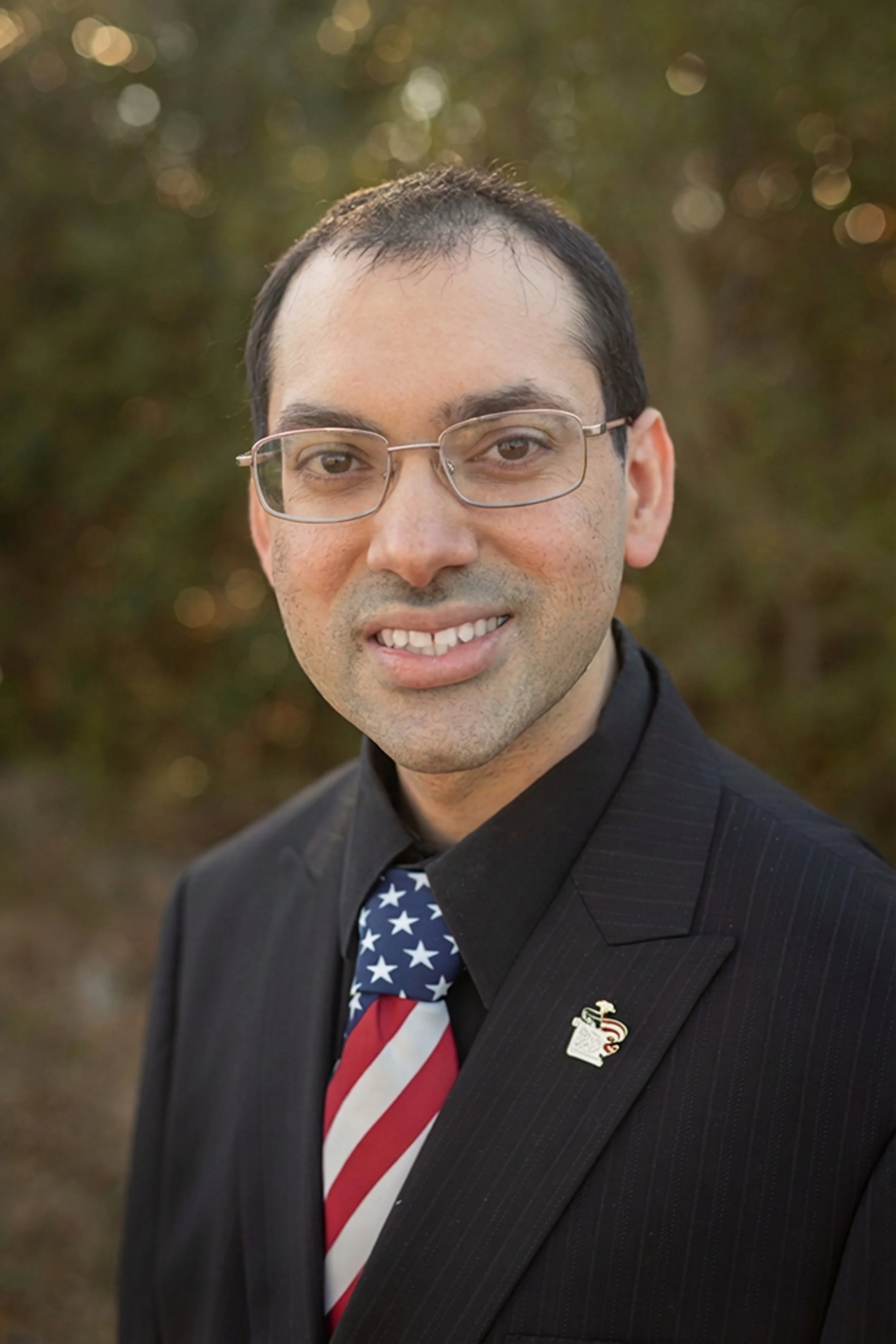
ROBERT COLON
I was born in Connecticut and relocated to North Carolina at the age of sixteen. I am a caretaker, volunteer, and Eagle Scout.
DemocratLibertarianSHANNON BRAY
UNRESPONSIVE

RepublicanELIZABETH TEMPLE
Who's Who Among America's Teachers 2007, Cambridge Who's Who 2009, Marquis Who's Who in America Women in Business 2021-2022, I have three nieces.
DON BROWN
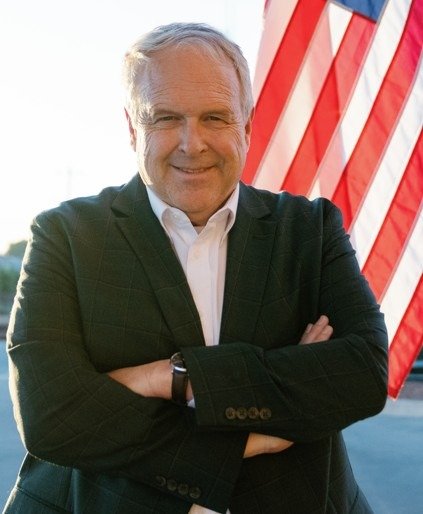
Don Brown. is a constitutional attorney, former U.S. Navy JAG officer, former Special Assistant United States Attorney, and bestselling author of sixteen books, including Last Fighter Pilot, Call Sign Extortion 17 and Treason. Born in Plymouth, North Carolina, and a graduate of North Carolina public schools, Don also graduated from the University of North Carolina at Chapel Hill, the Campbell University School of Law, and holds a non-resident certificate in international law from the United States Naval War College Brown has spent his career defending the Constitution, representing service members, protecting religious liberty, and fighting government overreach in federal court. He is the managing attorney of Brown & Associates, PLLC, and has handled complex litigation across North and South Carolina. Brown successfully challenged unconstitutional COVID mandates, helped save the jobs of dozens of nuclear engineers and other professionals at the Savannah River Site, and defended clients in high-profile federal matters — and has secured two presidential pardons from President Donald Trump for clients who had been politically persecuted, including 82nd Airborne Lieutenant Clint Lorance, and J6er Elliot Bishai. A frequent national media commentator and keynote speaker, Brown has addressed audiences at the Ronald Reagan Presidential Library, the Richard Nixon Presidential Library, and regularly speaks on constitutional law, national security, and government accountability. He is a proud father, grandfather, and lifelong North Carolinian who remains deeply committed to faith, family, and public service.
RepublicanMICHAEL WHATLEY
UNRESPONSIVE
RepublicanRepublican
MARGOT DUPRE
UNRESPONSIVE
RepublicanTHOMAS JOHNSON
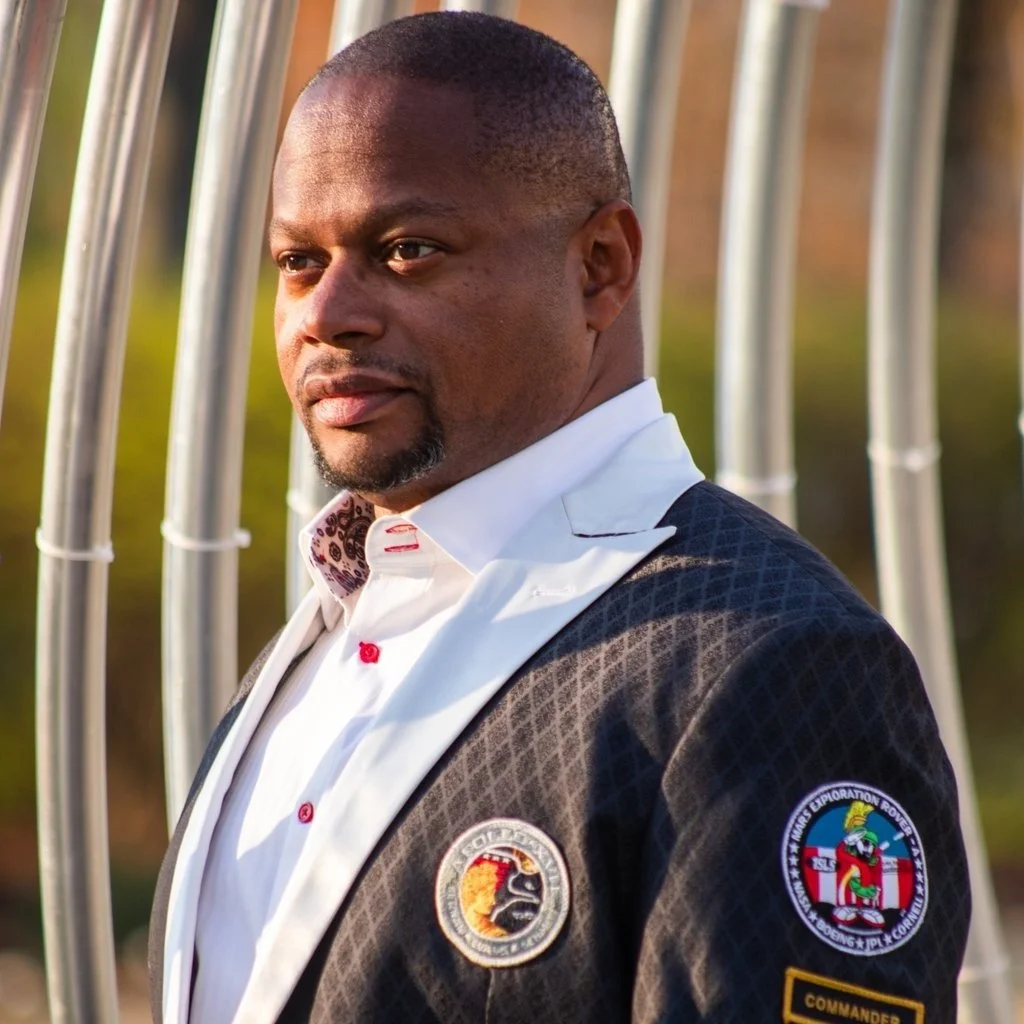
U.S. leaders who most deeply understand the American promise are not those born closest to power, but those who have traveled the farthest to reach it. Thomas Johnson belongs unmistakably to this tradition—the least likely of U.S. Senators, and perhaps, for that very reason, a candidate who could become the most consequential. Johnson’s story does not begin in privilege or political inheritance, but in foster care, where uncertainty shaped resilience long before ambition took form. Adopted at the age of five, he grew up with an intimate knowledge of instability and grace—lessons that would later inform a leadership style grounded not in abstraction, but in lived experience. Long before he would advise Fortune 500 executives or lecture international audiences, Johnson learned how systems either fail or save the people entrusted to them. From those early years emerged a disciplined young man drawn to service, earning admission to the United States Air Force Academy—an institution that has long shaped citizens before it shapes officers. There, Johnson absorbed the habits of responsibility and restraint that would define his life’s work. As an Air Force officer and later a CIA Fellow, he operated in environments where quiet competence mattered more than recognition, and where foresight often carried greater weight than authority. It was at the National Reconnaissance Office that Johnson helped build next-generation intelligence satellites, contributing to the architecture of American security at a time when space was still considered an adjunct rather than a frontier. In writings little noticed at the time, he forecast the coming commercial space revolution—years before private enterprise would confirm his vision. Fate, ever unpredictable, spared him on September 11th by mere minutes at the Pentagon, a moment that sharpened rather than silenced his sense of duty. Johnson’s post-government career followed a path familiar in outline but rare in depth. At Lockheed Martin, Capital One, and Accenture, he navigated the complexities of institutions struggling to adapt to rapid change. Eventually, he founded Agile Immersive, building from the ground up a consulting firm that would earn the trust of global companies such as T-Mobile, MetLife, and FedEx. His work focused not on slogans or silver bullets, but on something more enduring: organizational grit, cultural alignment, and the moral dimension of leadership in times of disruption. Yet Johnson never confined his thinking to domestic borders. As an annual lecturer on Artificial Intelligence and Cultural Transformation at Goethe Business School in Frankfurt, Germany he became a translator of American innovation for a global audience—helping leaders understand that technology, absent values, solves little. What distinguishes Johnson most, however, is not the breadth of his accomplishments but the continuity of his commitments. He returned, again and again, to the cause that first shaped him—working with Agape of North Carolina to strengthen foster care across all one hundred counties of the state. In this work, policy is personal, and reform is measured not in headlines but in homes made safer and futures made possible. There is also, woven through his public life, a current of creative imagination. An award-winning screenwriter and actor, with credits on HBO and the Discovery Channel, Johnson has explored history and character through art as well as analysis. His annual “007 Rally” fundraiser—part spectacle, part service—channels adventure into remembrance, supporting the CIA Officers Memorial Foundation and honoring those who served in silence. At home, Johnson’s life is less historic and more elemental. With his wife, Amanda Bradley Johnson, he is raising four young children—Ezra, Elijah, Ephraim, and Eden-Lee—alongside Pearl Buttons Johnson, a devoted poodle mix who has witnessed more of history than she will ever recount. It is here, amid bedtime stories and ordinary grace, that Johnson’s ambitions are most clearly grounded. If history has taught us anything, it is that the U.S. Senate has been at its best when populated not by those who sought power early, but by those who arrived seasoned by service, failure, and reflection. Thomas Johnson stands in that lineage—a man shaped by institutions yet never captive to them, driven by vision yet anchored in humility. Should he enter the chamber, it may one day be said that America’s greatest senator was also its least expected.
MICHELE MORROW
UNRESPONSIVE
Republican
RICHARD DANSIE
UNRESPONSIVE
Republican